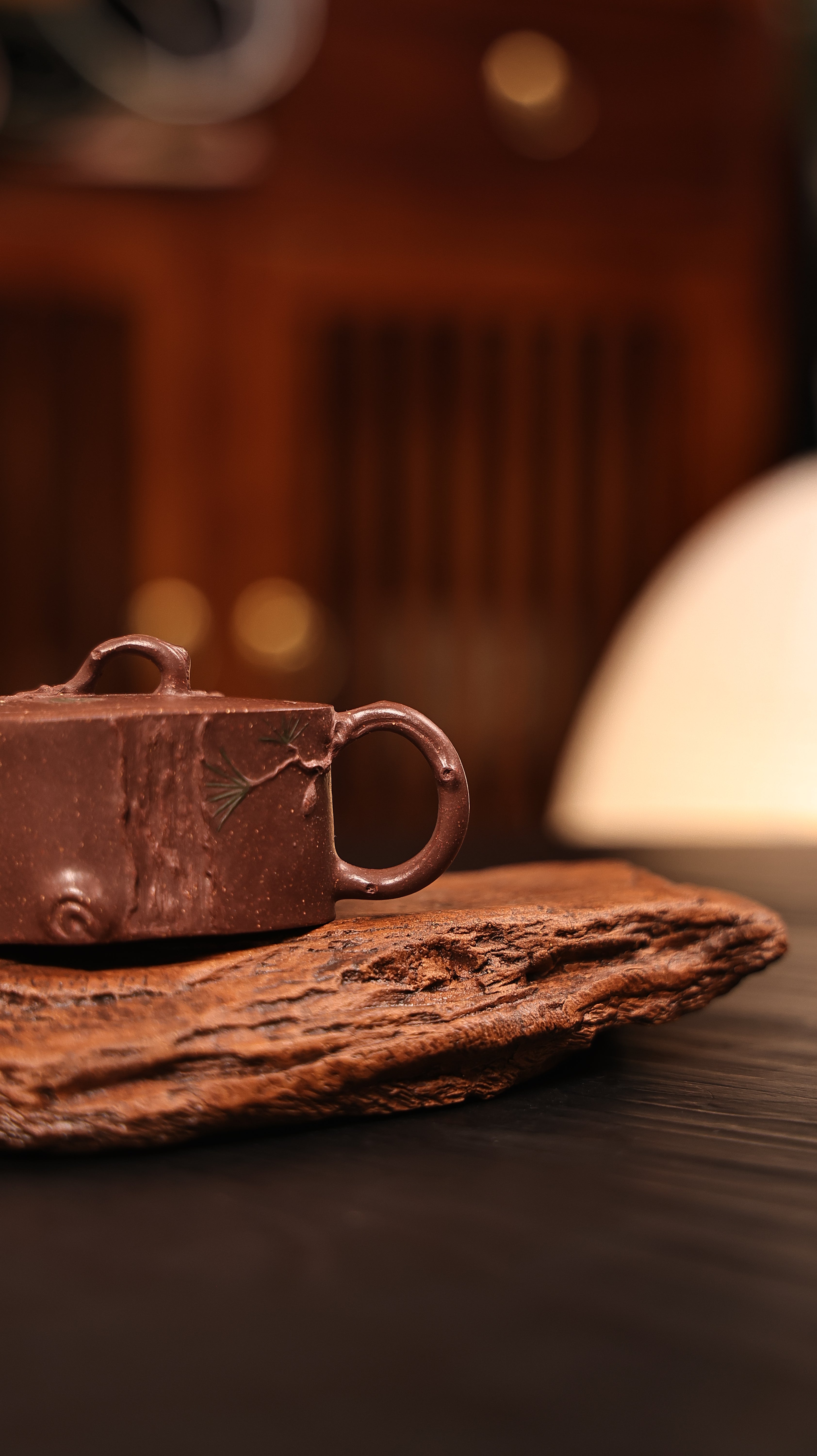
How can a business‑ready Chinese Teapot gift set appeal to corporate procurement teams?
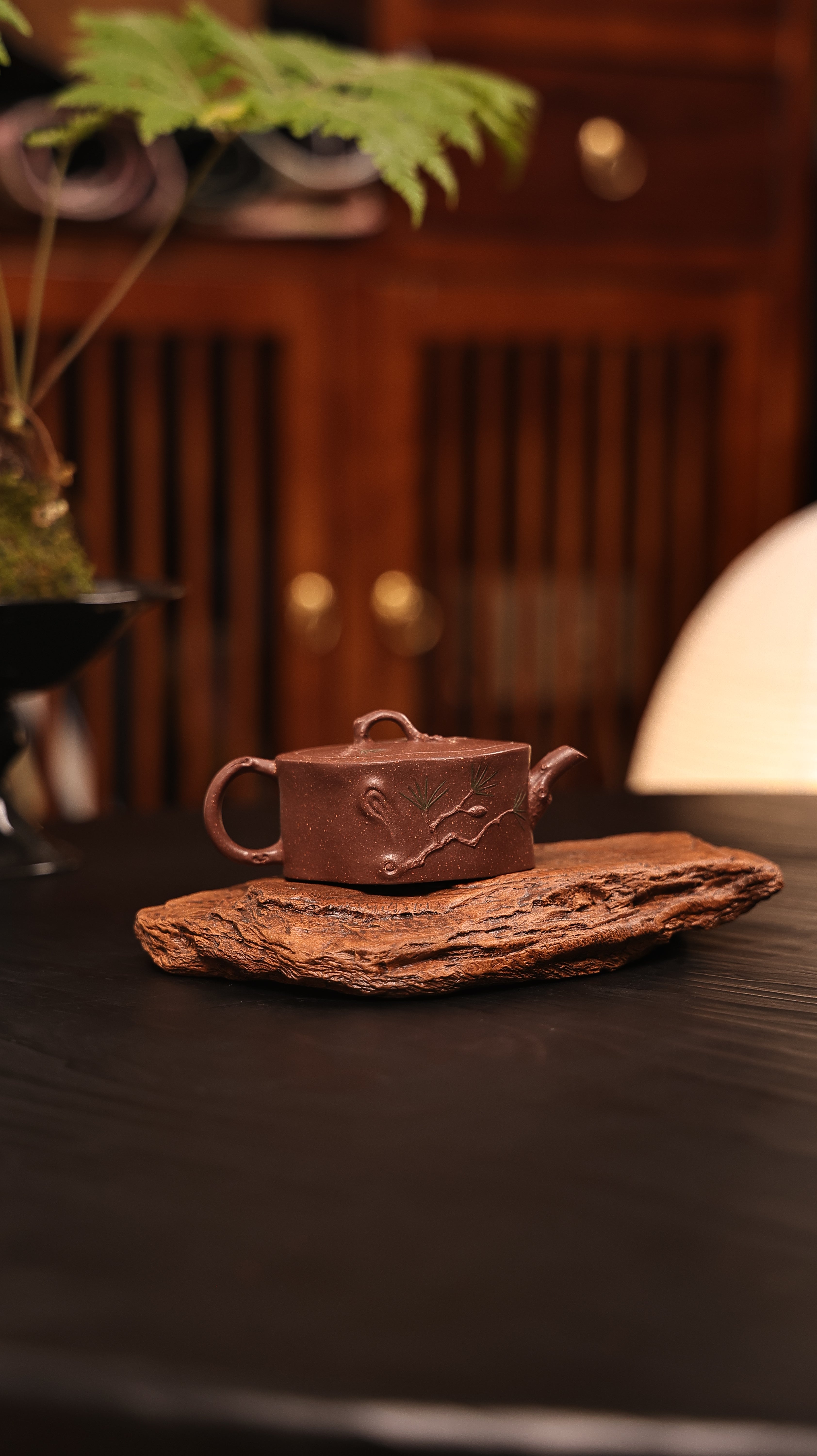
Millennia of collectors have desired the exclusive allure of Yixing Zisha kettles. Emerging in the cozy town of Yixing, the state, these containers are produced from a uncommon and collected purple clay acknowledged for its notable thermal traits and tendency to improve the richness of extracts. Exceeding their operative significance, Zisha teapots represent a lasting customary inheritance, causing them highly admired and a real gem for any zealous teapot aficionado.
Delving into Yixing Teapots
Historical teapots showcase a remarkable integration of history and traditional craftsmanship. Originating in Yixing, Jiangsu Territory of China, their narrative stretches the Ming Dynasty, although evidence suggest earlier instances. The special burgundy clay, called Zisha, found specifically in the Yixing region, is the key component, contributing to the pots' remarkable heat stability and the manner they control the essence of tea. Generations of potters have developed techniques—often transmitted through families—including crafting the clay, applying intricate embellishments, and firing the pots at accurate temperatures.- In the past, Yixing teapots were often beautified with simple designs.
- Eventually, more refined carvings and symbolic motifs became usual.
- The thermal curing itself is a pivotal element, requiring long durations of competence.
Assembling Zisha Teapots: Key Guidelines
Setting out on a search to accumulate Zisha teapots can be enjoyable, but it’s imperative to know what to search for. Authenticity is critical; focus on the component’s natural shade, a faint reddish-brown is traditional. copyrightine the feel; genuine Zisha has a notable tactile sensation, often expressed as slightly rough. The configuration should be attractive and consistent with traditional styles, while maker’s marks, if present, require precise copyrightination for veracity. Don’t delay to consult with expert connoisseurs or dependable sources – their expertise is irreplaceable.
Oriental Pots: Delving into the Custom of authentic Purple Ware
Eons have seen Yixing Zisha teapots hold a significant role in Chinese heritage. These exquisitely made pots, sourced solely from the territory of Chinese Teapot Yixing, are noted for their identifiable tint, quality, and their ability to amplify the quality of potions. Legions of collectors acquire antique Yixing teapots, coveting them highly not only for their aesthetic charm, but also for the history they represent.
Yixing Zisha Teapots: An Top Kinds and Their Features
Purple Clay teapots, coming from the Yixing area of Yixing, China, are well-known for their uncommon clay and first-rate brewing features. Throughout the numerous Zisha types, those varieties that are highly treasured include Baiwei. Binzhou, known for its vivid purple shade and soft texture, delivers a subtle flavor. Duan Ni species, recognizable by its auburn color and fairly grainy feel, is regarded to enhance the weight. Lastly, Zhuni class boasts an unique carmine tone and can give a sweet nuance. Each category grants a unique experience, making them distinctly desirable within drink enthusiasts.
Mastering Unique Earthenware Kettle
To tap into the power of your Yixing vessel, appreciating the correct way is vital. These clay pots, celebrated for their passability, will progressively absorb the soul of the tea you prepare within them. Begin by scraping the pot thoroughly with hot water. Then, use only first-class broken leaf tea, as lower quality options can spoil the teapot’s delicate taste. Always enable the leaves to open completely, and remember that with each application, your Yixing vessel will become perpetually distinct.
Protecting Your Invaluable Zisha Treasure
Proper treatment for your Zisha teapot is important to preserving its quality and value. Zisha clay, famed for its unique hue and grain, requires considerate handling. Never use severe substances, as these can affect the film. After every session, rinse the container with warm water and allow it to dehydrate completely.
- Resist soaking the vessel for extended phases.
- Periodically use a soft piece of cloth to refresh the exterior.
- Explore applying a thin layer of food-grade grease inside the teapot after drying, which can reduce staining.
Introduction to Yixing Vessels
Yixing earthenware, originating from the Yixing sector in Jiangsu Province, within China, are celebrated for their distinctive aspects. Crafted from the unique purple soil known as Zisha, these jars are prized by liquid enthusiasts worldwide. This summary will simply explain the core elements – covering sorts of Zisha matrix, popular shapes, and vital care suggestions. Understanding the foundation of Yixing jars can enhance your appreciation for this esteemed copyrightple of Oriental folklore.
Art of Zhongguo Earthenware: copyrightining Zisha produced in the Yixing district
Zisha material from Yixing locality represents the peak of Chinese pot design, boasting a special fusion of authentic beauty and operational artistry. These notable pieces are noted for their bold complexions, often stretching over strong purples and copper hues to delicate greys and faint beiges. The noted mineral composition of the exclusive-to-the-area Zisha bedrock imparts a distinctive texture and furnishes a pleasant aroma that increases the whole drink experience, transforming them greatly prized collectibles and vital components of any serious brew.