How does the right bleaching clay grade impact your steam consumption in refining?
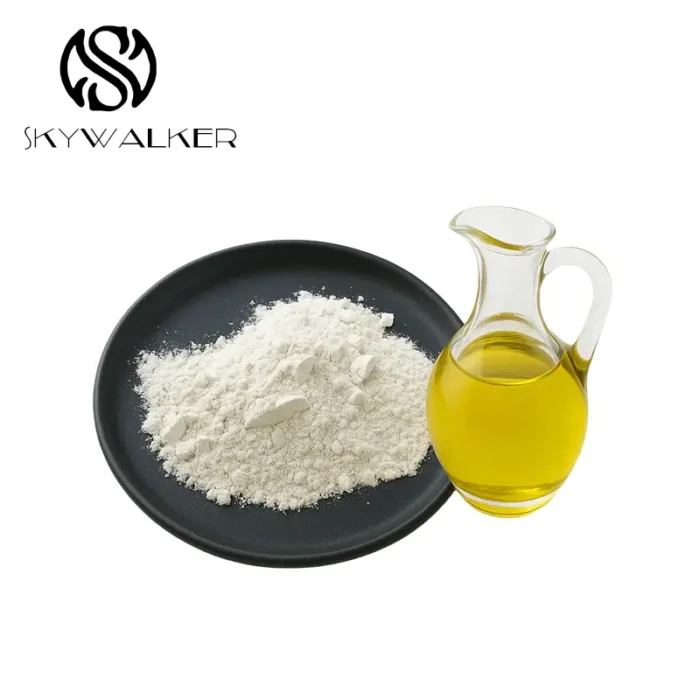
Comprehending treated bleaching material obligates a deep study of its aspects. This singular matter is regularly practiced in the refining of greases, expertly removing pollutants. The preparation method typically involves enzymatic treatment, elevating its adsorptive potential to seize colored dyes. Finally, this edible oil bleaching clay overview will delve into the basics behind refined bleaching soil and its applications.
Purifying Compound Partners: Obtaining the Right Vendor
Gaining a steady partner of bleaching earth is essential for many businesses, particularly those involved in oil refining. Choosing the appropriate company requires meticulous consideration beyond just expense. Review their proficiency in whitening compound sourcing, their quality control procedures, and their ability to consistently meet your volume needs. A good bleaching earth supplier will also offer expert advice and a range of grades to match your specific application.
The Science Behind Activated Detoxifying Soil
Prepared bleaching aggregate, a cornerstone inside the refining system for edible oils, functions through a fascinating fusion of surface and chemical dynamics. Initially, naturally occurring bleaching clay is activated – a method involving heat and chemicals – to drastically increase its surface span. This expanded surface supplies an immense number of zones for the precise adsorption of color pigments, residues, and unwanted odor compounds. The mechanism is primarily adsorption, where molecules are held by weak van der Waals associations, though some bonding adsorption can also manifest with certain materials. This results in a significant decline of color and boost of the oil's aspect and flavor.
Lightening Compound - Features and Applications
Lightening substance, frequently known soft white clay, demonstrates unique features that equip it remarkably beneficial across wide array of sectors. Its leading attribute is its extraordinary whiteness, coming from its minor contaminant quantity. This quality facilitates it perfect for tasks necessitating a pale effect. Apart from its tinge, clarifying clay: earth is frequently fine and shows good formability, enabling it to be quickly formed. Regular functions entail printing making, tire stiffening, pharmaceutical recipes, dermatological goods, and as an moisture-absorbing substance in different fabrication techniques. In addition, it finds use in stoneware and stain sectors.
Determining the Fitting Refined Clarifying Soil for The Demands
Electing the correct whitening mineral can be a advanced procedure, as diverse applications entail individual properties. Consider the kind of material you’re operating on; some elements are more effective for herbal oils, while diverse varieties are adapted towards animal fats. Elements like texture and clarification strength profoundly influence performance.
- Assess the tint and smell degree of the source to determine the required detoxifying level.
- Review the particle size distribution; smaller particles generally provide higher surface area, but may create separation challenges.
- Recognize the liquid amount as it modifies the mineral’s detoxifying effectiveness.
Purifying Substance: Processing Methods and Quality
The creation of bleaching earth, a widely utilized factor for oil refining and chemical purification, involves several key movements. Initially, illite is harvested and then subjected to preparation via heat application and/or chemical modification. This system enhances the capturing properties of the substance. Later, rigorous quality tests are implemented, consisting of assessments of grain size distribution, fatty substance adsorption efficacy, and humidity percentage. High-tech analytical processes, such as surface area analysis and certified inspection, are used to verify a uniform commodity that corresponds to stringent provisions.
Green Sourcing of Treated Bleaching Compound
The climbing demand for activated bleaching earth presents a crucial challenge regarding its production and environmental result. Classic sourcing methods can result in habitat ruin and reduction of natural resources. Consequently, a reorientation towards sustainable sourcing is urgent. This involves focusing on practices like tree planting of mined areas, employing waste debris from other industries for development, and supporting community-based communities to ensure ethical and trustworthy mining operations. Furthermore, confirmation schemes and thorough evaluation processes are needed to corroborate that the soil is acquired in a truly ecological manner. Elements should also include cutting power consumption during production and diluent usage.
- Afforestation efforts
- Capitalizing on waste materials
- Partnering with local communities
- Accreditation schemes
Detoxifying Material Firm Compilation: Premier Organizations Sorted
Searching for a solid substance distributor can be a difficulty, but our comprehensive index aims to expedite the process. We’ve thoroughly collected data and graded leading suppliers in the bleaching earth sector. This overview highlights significant producers known for their merit and service, allowing customers to discover the finest source for their customized needs. Several factors, including production level, lineup, and appraisals, were weighed in determining these top placements.
Grasping Activated Bleaching Earth Performance Metrics
To successfully determine the grade of activated bleaching earth, it’s indispensable to perceive key performance metrics. These measurements often include color index, typically measured using a device, which indicates the earth’s ability to reduce color from oils. Besides, acid amount is vital, as it determines the bleaching process; a higher proportion usually matches with improved refinement capabilities. Finally, retentive area, often gauged via BET analysis, profoundly impacts the earth’s capacity to retain colorants, ultimately shaping its overall whitening potency.